Quick Navigation
- Why Ditch the Conventional Stuff? The Not-So-Pretty Truth
- The Building Blocks of a Great Natural Mouthwash
- Roll Up Your Sleeves: Simple, Tested DIY Natural Mouthwash Recipes
- Buying Guide: What to Look For (and Avoid) in Store-Bought Natural Mouthwash
- Beyond Fresh Breath: The Real Benefits You Might Feel
- Your Natural Mouthwash Questions, Answered
Let's talk about that burning sensation. You know the one—you take a swig of that bright blue or green liquid, swish it around for 30 seconds as your eyes water, and spit it out feeling... sterilized. For years, I thought that burn meant it was working. Turns out, I was mostly just irritating my mouth and wiping out the good bacteria along with the bad. The whole experience got me digging into what we're actually putting in our mouths twice a day. What I found led me straight down the rabbit hole of natural mouthwash.
It wasn't just about avoiding alcohol or artificial dyes. It was about understanding that oral health isn't a war zone to be nuked; it's a delicate garden that needs balancing. This guide is everything I wish I'd known before I bought my next bottle. We'll cut through the marketing hype, look at what science actually says (and doesn't say), and I'll even share a couple of DIY recipes that are sitting in my own bathroom cabinet right now. Some worked great, others... well, you'll see.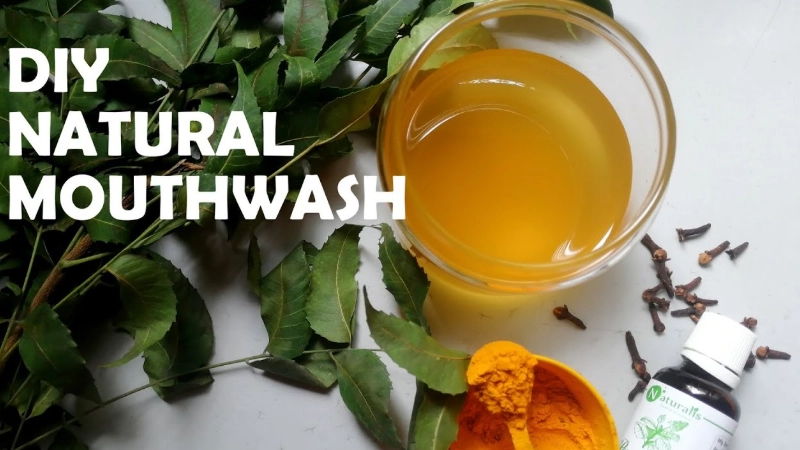
Why Ditch the Conventional Stuff? The Not-So-Pretty Truth
Most drugstore mouthwashes are designed with one primary goal: kill germs. And they're good at it. The problem is, they're not very smart about which germs. Your mouth is home to a complex community of microbes—your oral microbiome. Think of it like a lawn. You want to get rid of the dandelions, but you don't want to pour gasoline on the entire yard.
Here’s what you’re often swishing with in conventional rinses:
- Alcohol (Ethanol): The main cause of that burn. It's a great disinfectant, but it's incredibly drying. A dry mouth is a vulnerable mouth—saliva is your body's natural defense and remineralization system. For people prone to canker sores or dry mouth, alcohol-based rinses can make things worse. I found this out the hard way.
- Chlorhexidine: A powerful prescription-grade antiseptic in some strong OTC rinses. It's effective for short-term use after surgery, but long-term? It famously stains teeth brown and can alter your sense of taste. Not exactly a trade-off I want to make.
- Sodium Lauryl Sulfate (SLS): The foaming agent in many toothpastes and some rinses. It's a known irritant for many people and might be a trigger for those annoying canker sores.
- Artificial Sweeteners & Dyes: Do we really need a neon blue mouth? These are added for marketing appeal and taste, offering zero health benefit. Saccharin, aspartame, and FD&C Blue No. 1 are common guests in your rinse.
The American Dental Association (ADA) maintains that antimicrobial ingredients like cetylpyridinium chloride (CPC) and essential oils, when used in ADA-accepted products, are safe and effective for reducing plaque and gingivitis. You can read their stance on mouthrinse use here. But the conversation is shifting. Researchers are increasingly looking at the importance of the oral microbiome balance, suggesting a scorched-earth policy might have downsides we're only beginning to understand.
 So, if not chemical warfare, then what?
The Building Blocks of a Great Natural Mouthwash
When you start looking at natural mouthwash options, either in a store or for a DIY project, you'll see a common cast of characters. These ingredients don't just kill bad guys; many of them work by making the environment hostile for pathogens while being friendly to you.
| Ingredient | What It Does | My Personal Experience & Notes |
|---|---|---|
| Xylitol | Not an antibacterial, but a game-changer. Harmless to us, toxic to cavity-causing bacteria (S. mutans). They consume it but can't metabolize it, which messes up their ability to stick to teeth and produce acid. It also stimulates saliva flow. | This is the secret weapon in my favorite DIY recipe. No sweet aftertaste, just a clean feeling. Makes a huge difference in how my mouth feels hours later. |
| Aloe Vera Juice | Soothing, anti-inflammatory, and promotes healing of minor gum irritation. Adds a lovely, gentle viscosity. | Surprisingly effective for days when my gums feel a bit tender. It doesn't "tingle," it just calms things down. |
| Baking Soda (Sodium Bicarbonate) | Gentle abrasive, neutralizes acidic plaque byproducts (that cause decay), and can help whiten by surface stain removal. | Don't overdo it. A pinch is plenty. Too much can taste overwhelmingly salty and feels gritty. |
| Coconut Oil (for Oil Pulling) | The base for the ancient practice of oil pulling. Swished for 10-20 minutes, it's claimed to "pull" toxins and reduce bacteria. Science is mixed, but many report whiter teeth and healthier gums. | I tried this for a month. Honestly, it's a commitment. The feeling is weird at first. I did notice fresher breath, but 20 minutes is a long time to stand in the bathroom. Not my daily go-to, but an interesting occasional treatment. |
| Essential Oils (Tea Tree, Peppermint, Clove) | Powerful antimicrobials. Tea tree oil is a strong antifungal/antibacterial. Peppermint provides the classic cool feel and freshens breath. Clove oil (eugenol) is a potent analgesic (pain reliever). | CAUTION: These are potent. Never use undiluted. A drop or two in a whole bottle is enough. Tea tree oil tastes medicinal if you overdo it. Clove oil is intense—great for occasional toothache relief, but too strong for daily use for most. |
Notice something? Many of these ingredients are multi-taskers. Xylitol starves bad bacteria and hydrates. Aloe soothes and heals. That's the holistic mindset.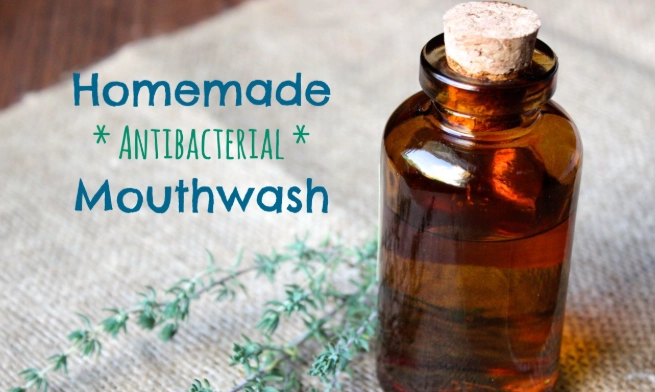
Roll Up Your Sleeves: Simple, Tested DIY Natural Mouthwash Recipes
Making your own natural mouthwash is easier than you think. It's cheap, you control every ingredient, and there's no plastic bottle waste. Here are two I use regularly. You'll need a clean glass bottle (an old kombucha bottle works perfectly) and a funnel.
My Daily Driver: The Soothing Aloe & Xylitol Rinse
This is my weekday workhorse. It's mild, effective, and leaves my mouth feeling clean but not stripped.
- 1 cup distilled or boiled (then cooled) water (prevents bacterial growth in the mix)
- 2 tablespoons food-grade aloe vera juice (look for pure, no additives)
- 1 teaspoon xylitol granules (this is the sweet spot for effectiveness without sweetness)
- 5-10 drops of peppermint essential oil (to taste, start with less)
- 2 drops of tea tree oil (optional, for extra antimicrobial punch)
Method: Combine the water and aloe vera juice in the bottle. Add the xylitol and shake vigorously until it's fully dissolved. This takes a minute. Then add the essential oils, cap, and shake again. Store in the fridge and use within 1-2 weeks. Shake before each use.
My take: The aloe gives it a slightly thicker, more substantive feel than water. The xylitol provides a legitimately clean finish. The peppermint is refreshing without being harsh.
The Heavy-Duty Gum Support Rinse (Use Occasionally)
I make this smaller batch if my gums are feeling inflamed or puffy. Clove oil is serious business, so this isn't for daily use.
- 1/2 cup distilled water
- 2 tablespoons witch hazel (a natural astringent that can help tighten gums)
- 1 teaspoon baking soda
- 3 drops of clove essential oil
- 5 drops of peppermint essential oil
Method: Dissolve the baking soda in the water. Add the witch hazel and essential oils. Shake very well. Store in a small glass bottle in the fridge for up to a week. Swish for no more than 30 seconds. The clove oil is potent and can cause irritation if overused.
My take: This one has a kick. The clove oil provides a warming, almost numbing sensation that can temporarily soothe sore spots. The baking soda taste is noticeable. It's a useful tool in the arsenal, but not something I enjoy using every day.
Buying Guide: What to Look For (and Avoid) in Store-Bought Natural Mouthwash
Not everyone has the time or desire to DIY. The good news is, the market for commercial natural mouthwash has exploded. The bad news? The term "natural" is unregulated, so you have to be a label detective.
Green Flags on the Label:
- Xylitol listed as a top ingredient.
- Clear, simple ingredient lists you recognize: aloe vera, purified water, essential oils, baking soda.
- Alcohol-free and SLS-free.
- No artificial dyes or sweeteners (saccharin, aspartame).
- Packaged in glass or recycled plastic.
Red Flags (or at Least Yellow Flags):
- The word "natural" in huge font, but the ingredient list is a chemistry lab.
- "Flavor" or "Fragrance" without specification (this can hide synthetic chemicals).
- Super long shelf life (a truly natural product with no harsh preservatives often needs refrigeration and has a short life).
- Wild health claims like "cures gum disease" or "reverses cavities." A good natural mouthwash is a fantastic adjunct to brushing and flossing, not a magic cure-all.
For example, a brand might talk about "holistic dentistry" principles, which align with this whole-body approach to oral care. It's a good sign they're thinking beyond just killing germs.
Beyond Fresh Breath: The Real Benefits You Might Feel
Switching to a natural mouthwash isn't just about avoiding bad stuff. Many people report positive changes. Here's what you might notice:
- Less Dry Mouth: Ditching alcohol is the biggest factor here. Your mouth stays more comfortably moist.
- Reduced Canker Sore Frequency: If SLS or alcohol was a trigger for you, removing them can lead to fewer outbreaks.
- Healthier-Looking Gums: Less irritation and inflammation can mean less redness and puffiness. The soothing ingredients like aloe can have a visible calming effect.
- A Different Kind of Clean: It's hard to describe until you feel it. Instead of a sterile, chemical clean, it feels more like a balanced, refreshed clean. The freshness from xylitol tends to last longer than the fleeting mint blast of alcohol-based rinses.
- Peace of Mind: Knowing exactly what's in the bottle and that you're not flushing harsh chemicals down the drain is a genuine benefit for many.
Of course, it's not all roses. Sometimes, a natural mouthwash might not feel as intensely "powerful" as that chemical burn you're used to. It can take a week or two for your perception to adjust.
Your Natural Mouthwash Questions, Answered
Is natural mouthwash as effective at fighting cavities and gingivitis?
This is the big one. The ADA gives its Seal of Acceptance to products that demonstrate specific anti-plaque and anti-gingivitis efficacy in clinical trials. Many natural formulas haven't gone through that expensive process, even if their ingredients (like certain essential oils) have scientific backing. Xylitol, however, has a strong body of evidence for its role in cavity prevention. Is a DIY rinse as potent as a prescription chlorhexidine rinse for severe gingivitis? No. But for daily maintenance and mild gum health support, a well-formulated natural rinse can be highly effective, especially as part of a complete routine (brushing, flossing, regular cleanings).
Can I use natural mouthwash if I have sensitive teeth?
This is where it often shines! Alcohol-free, SLS-free formulas are typically much better for sensitive teeth and gums. The absence of those common irritants can provide immediate relief. Ingredients like aloe vera can be soothing. However, always patch-test a new product or ingredient. Some people with extreme sensitivity might even react to essential oils like peppermint. Start mild.
How does it help with bad breath (halitosis)?
Most conventional mouthwashes are just masking agents. They overpower bad smells with stronger mint smells for a short time. A good natural mouthwash tackles the root cause differently. Xylitol inhibits the metabolism of odor-producing bacteria. Baking soda neutralizes odor-causing acids. Essential oils have genuine antimicrobial properties. By creating a healthier oral environment, you're addressing the source of the odor, not just covering it up. The results are often longer-lasting.
Is it safe for children?
Generally, much safer than alcohol-based rinses, but with major caveats. Never give a child a mouthwash with essential oils unless it's a product specifically formulated for children with appropriate dilution. A simple xylitol-and-water or xylitol-and-aloe mix (with no oils) can be a great, safe option for kids old enough to swish and spit without swallowing. Always consult your pediatric dentist first.
How long does homemade natural mouthwash last?
Because we're avoiding harsh preservatives, DIY rinses have a short shelf life. Always store them in the refrigerator. A recipe with just water, xylitol, and essential oils might last 1-2 weeks. Adding aloe vera or witch hazel (which often contain their own mild preservatives) might stretch it a bit. Your nose is the best tool—if it smells off or looks cloudy, toss it. Making small batches is key.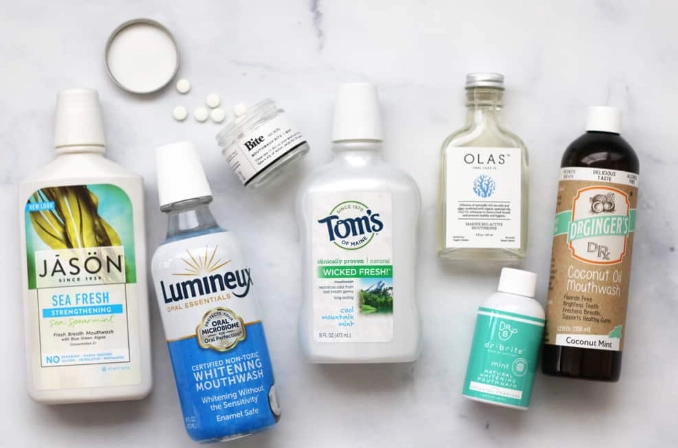
Look, I'm not saying everyone needs to throw out their Listerine tomorrow. But if that burning sensation has ever made you wince, or if you're just curious about a more holistic approach to your health, trying a natural mouthwash is a simple, low-risk experiment. Start with a reputable store-bought brand or whip up the simple aloe-xylitol recipe. Give it two weeks. Pay attention to how your mouth feels—not just for the 30 seconds after spitting, but hours later. You might just find that a quieter, gentler approach leads to a healthier, more comfortable mouth. And honestly, that's the whole point.