You see them in every drugstore aisle—promises of a Hollywood smile in a slim, plastic pouch. Whitening strips are a multi-billion dollar industry, but the question lingers in the back of every savvy shopper's mind: do the experts, the dentists themselves, actually give these things a thumbs up? The answer isn't a simple yes or no. It's a conditional, "it depends," loaded with professional caveats and crucial distinctions that most marketing copy glosses right over.
Let's cut through the hype. Having spoken with numerous dentists and sifted through guidelines from bodies like the American Dental Association, the consensus is nuanced. Dentists don't universally condemn whitening strips, but they rarely give them an unqualified, blanket endorsement either. Their recommendation hinges entirely on your specific oral health, your expectations, and, most importantly, how you use them.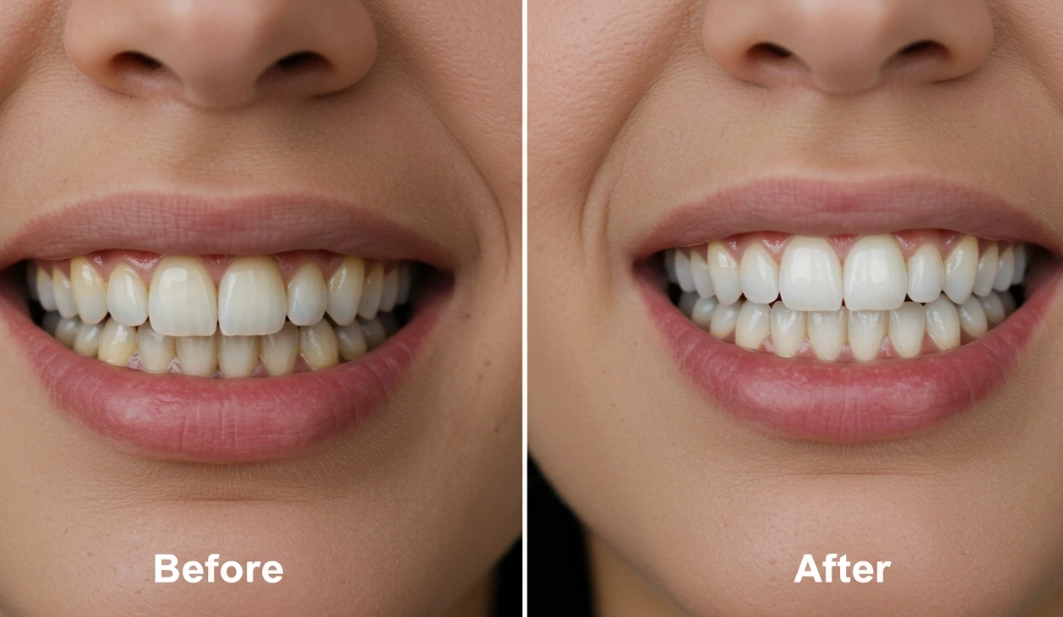
What's Inside?
The Dentist's Verdict: A Conditional Yes
Imagine asking a mechanic if they recommend you change your own oil. A good one would say, "Sure, if you know what you're doing, use the right grade of oil, and don't overtighten the drain plug." Dentists view whitening strips similarly—a consumer-grade tool that can be effective when applied correctly to a suitable candidate.
The primary active ingredient in most over-the-counter whitening strips is hydrogen peroxide or carbamide peroxide, the same bleaching agents used in professional treatments, just at a lower concentration. This is why they work. They can lift surface stains from coffee, tea, wine, and smoking. For mild to moderate staining on otherwise healthy teeth, many dentists agree they are a reasonable and cost-effective starting point.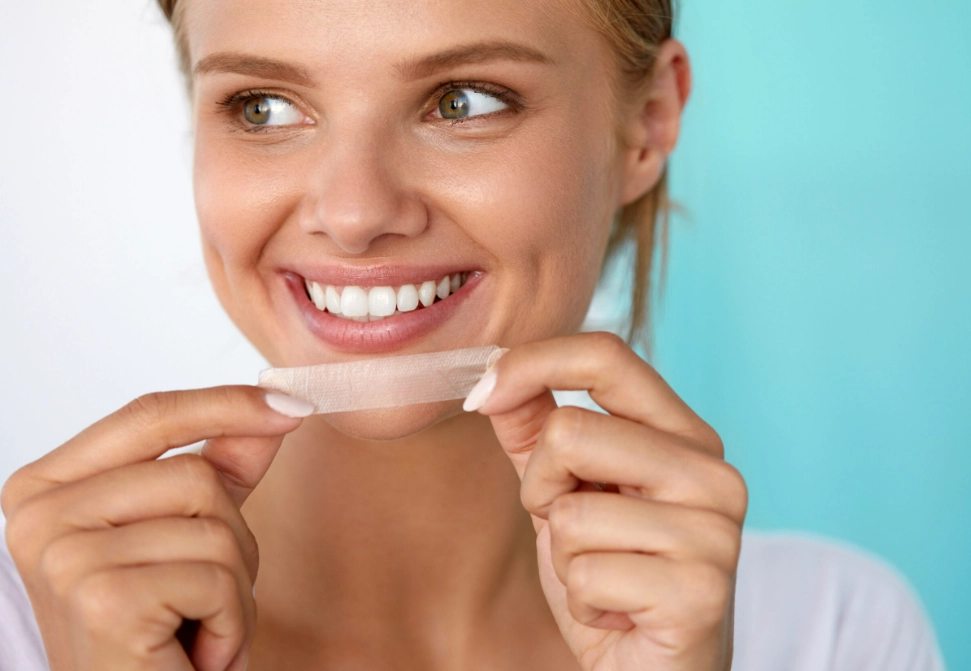
But here's the critical condition they always emphasize: a dental check-up first. This is the non-negotiable step most people skip. You wouldn't paint over rotten wood, right? Whitening over undiagnosed cavities, gum disease, or worn enamel is asking for trouble—intense pain and permanent damage. A dentist needs to confirm your teeth and gums are healthy enough to withstand the bleaching process.
Key Takeaway: The dentist's "yes" is always preceded by "after an exam." They recommend the process of safe whitening, which may include strips as one tool, not the product blindly.
Safety First: The Real Concerns Dentists Have
This is where the dentist's perspective diverges sharply from the ads. Their concerns aren't theoretical; they see the consequences in their chairs.
Tooth Sensitivity: The #1 Complaint
Almost everyone experiences some sensitivity. The peroxide penetrates the enamel to reach the stain molecules inside the dentin layer, and it can temporarily irritate the nerve. The problem? People often power through the pain, thinking more is better. A dentist will tell you that sharp, zinging pain is a signal to stop, not to endure. Using strips for longer than directed or back-to-back treatments without a break is a classic amateur mistake that leads to weeks of agony sipping room-temperature water.
Gum Irritation and Chemical Burns
Those strips aren't surgical precision instruments. They often overlap onto the gums. Concentrated peroxide sitting against soft gum tissue for 30 minutes can cause chemical burns—white, sloughing patches that are painful and take days to heal. Dentists see this frequently with ill-fitting strips.
Uneven Results and Spotty Whitening
One-size-fits-all strips don't conform perfectly to every unique tooth shape. The result? Whiter tips but less effect near the gums, or uneven whitening where the strip had poor contact. It can look patchy. Furthermore, strips do nothing for existing fillings, crowns, or veneers, which can suddenly look conspicuously yellow against newly whitened natural teeth—a result no one wants.
Strips vs. Professional Whitening: A Dentist's Comparison
Let's break down how dentists differentiate between the DIY and in-office routes. It's not just about strength; it's about control, diagnosis, and addressing the root cause of stains.
| Factor | Over-the-Counter Whitening Strips | Professional (In-Office or Take-Home Trays) |
|---|---|---|
| Concentration & Speed | Lower peroxide (6-10%). Results appear over 1-2 weeks of daily use. | Higher, professionally applied peroxide (25-40%). Dramatic results in one 60-90 min visit. |
| Customization & Fit | Generic, one-size strips. Poor fit risks gum irritation and uneven whitening. | Custom-fitted trays from dental impressions. Gel stays on teeth, off gums, for even coverage. |
| Diagnosis & Safety | User self-diagnoses. No check for cavities, cracks, or gum recession first. | Full exam precedes treatment. Issues are treated first. Gum protection applied during in-office. |
| Targeting Specific Stains | Good for general, mild extrinsic (surface) stains. | Effective on deeper, intrinsic stains (e.g., from tetracycline, aging). Can combine with other treatments. |
| Cost | $20 - $50 per kit. Lower upfront cost. | $300 - $1,000+. Higher investment for controlled, predictable results. |
| Dentist's Likely Recommendation For... | A motivated patient with healthy teeth, mild stains, low sensitivity, and realistic expectations who commits to a check-up first. | Patients with moderate-severe stains, sensitivity, existing dental work, time constraints, or who want guaranteed, fast, uniform results. |
A dentist I spoke with put it this way: "Strips are like using an over-the-counter hearing amplifier. It might make things louder for some. But a professional hearing test and aid is tailored, calibrated, and addresses the specific type of hearing loss. One is a general tool; the other is healthcare."
How to Use Whitening Strips Correctly (The Dentist-Approved Way)
If you get the green light from your dentist, here's how to use strips in a way that aligns with professional advice, not just the box instructions.
1. Prep Your Teeth Like a Pro: Don't apply strips on dirty teeth. Brush and floss gently first. But here's a tip many miss: avoid brushing immediately before, as this can microscopically abrade the enamel and increase sensitivity. Do it an hour prior. And never use a whitening toothpaste in conjunction with strips—it's too abrasive.
2. Master the Application: Dry your teeth with a towel. Saliva is the enemy of adhesion. Apply the strip as close to the gumline as possible without actually touching it. If you have to choose, err on the side of being a millimeter too low rather than too high. Press firmly along the entire tooth surface, especially the edges between teeth.
3. Timing is Everything (Less is More): Set a timer. Do not exceed the recommended time, usually 30 minutes. The "14-day" system isn't a mandate; it's a maximum. If you reach your desired whiteness on day 10, stop. If you experience significant sensitivity, skip a day or two. Listen to your body.
4. The Sensitivity Game Plan: Expect some sensitivity. Pre-treat with a toothpaste containing potassium nitrate (like Sensodyne) for two weeks before starting, and continue using it throughout. If sensitivity strikes, take a break. A dentist's trick: use the sensitivity toothpaste as a gel—apply a dab to your teeth and leave it on for 10-15 minutes before bed, then spit without rinsing.
5. Manage Your Expectations: Strips whiten natural tooth structure. They won't change the intrinsic yellowness of your underlying dentin, which genetics dictate. They also can't make teeth brighter than their natural potential, often described as the whiteness of the whites of your eyes.
One final, crucial point from the dental perspective: whitening is a temporary procedure. Stains will come back, especially if you drink red wine, coffee, or smoke. The real "dentist recommendation" is always paired with addressing the stain-causing habits first. Otherwise, you're just in a cycle of bleaching and re-staining.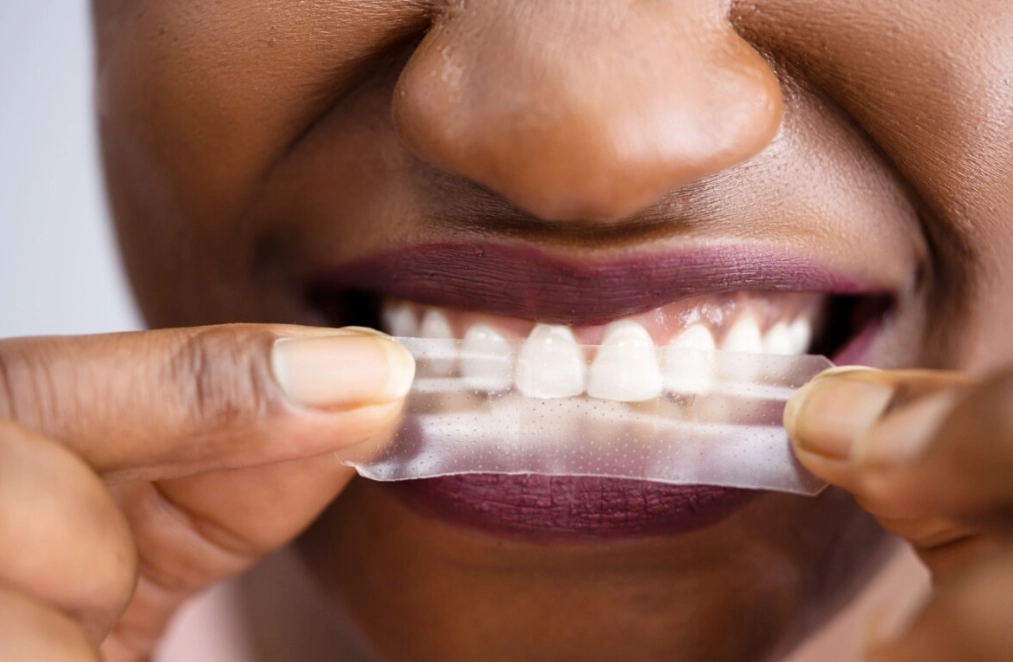
Your Whitening Strips Questions, Answered
 How long after whitening with strips can I drink coffee?