You followed the instructions. You endured the slight tingling. You waited the full 10 or 14 days. But when you looked in the mirror, the results were… underwhelming. Your teeth are still yellow after whitening strips, and now you’re frustrated, confused, and maybe a little out of pocket. I get it. I’ve been in the dental field for over a decade, and I’ve seen this scenario countless times. The truth is, whitening strips are a fantastic tool, but they’re not a magic wand for every type of discoloration. The problem isn’t always the product—it’s often a mismatch between the product’s capability and your specific dental situation.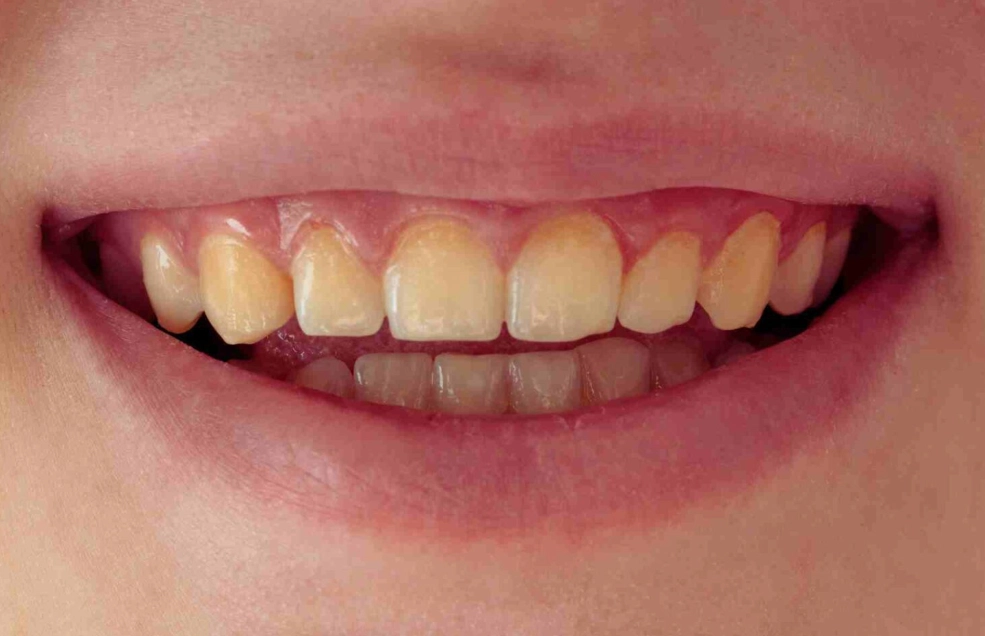
What’s Inside? Your Quick Guide
- Reason 1: You’re Battling Intrinsic Stains, Not Just Surface Ones
- Reason 2: You’re Making These Common Whitening Strip Mistakes
- Reason 3: Your Tooth Structure Is Working Against You
- Reason 4: Your Lifestyle Is Undoing the Work Overnight
- Reason 5: You Picked the Wrong Product for Your Needs
- Reason 6: An Underlying Dental Issue Is the Culprit
- Your Burning Questions, Answered
Reason 1: You’re Battling Intrinsic Stains, Not Just Surface Ones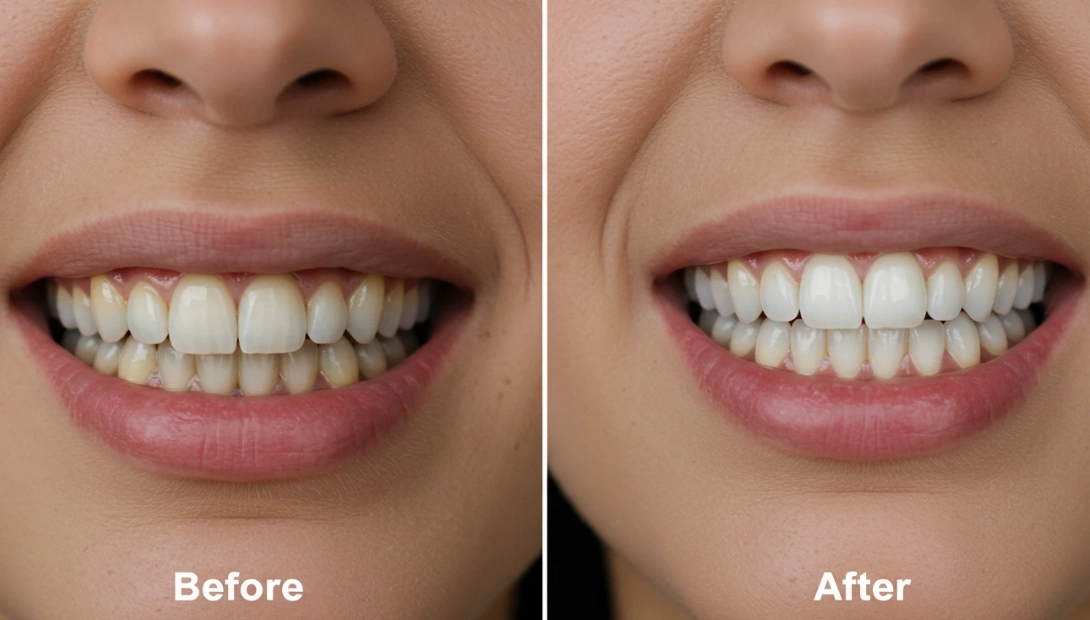
This is the big one, the concept most box kits gloss over. Think of tooth stains in two categories:
- Extrinsic Stains: These sit on the surface of your enamel. Coffee, red wine, tobacco, curry—the usual suspects. Whitening strips, which use peroxide gels, are excellent at breaking down these surface-level pigments.
- Intrinsic Stains: These are inside the tooth, in the dentin layer beneath the enamel. They can be caused by tetracycline antibiotics taken in childhood, certain health conditions, excessive fluoride as a kid (fluorosis), or simply aging, which naturally darkens dentin.
Here’s the kicker: whitening strips are primarily designed for extrinsic stains. The peroxide has to penetrate the enamel to reach the dentin, and for deep intrinsic stains, the concentration and contact time of over-the-counter strips often just aren’t enough. It’s like trying to clean a stained carpet from the floor above with a weak cleaner—you might lighten the top fibers, but the deep-set grime remains.
Reason 2: You’re Making These Common Whitening Strip Mistakes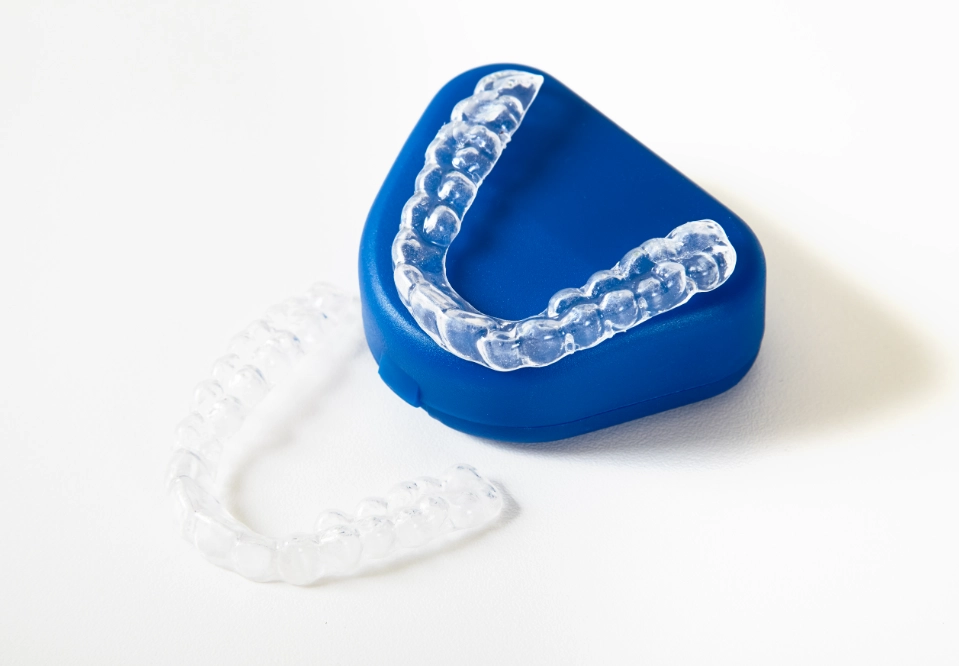
Application is everything. Even a great product fails with poor technique. Let’s run a quick checklist:
Are You Applying Them Correctly?
"Close enough" doesn’t cut it. The strip must have full, intimate contact with the front surface of every tooth you want to whiten. Gaps, bubbles, or folds mean those areas aren’t getting the gel. For your front teeth, this is crucial. I’ve had patients who were only covering the very front of the tooth, missing the sides where stains love to accumulate.
Is Your Timing Off?
The directions say 30 minutes. You do 20 because your gums feel funny. Or you think “more is better” and leave them on for an hour. Both are problems. Under-timing means the peroxide doesn’t have its full effect. Over-timing can irritate your gums and teeth without providing extra benefit—the chemical reaction plateaus. Stick to the clock.
Did You Prep Your Teeth?
Applying strips to a dirty tooth is like waxing a dusty car. Plaque and recent stain-causing foods create a barrier. Always brush and floss before applying strips (just be gentle—no abrasive whitening toothpaste right before, as it can increase sensitivity).
Reason 3: Your Tooth Structure Is Working Against You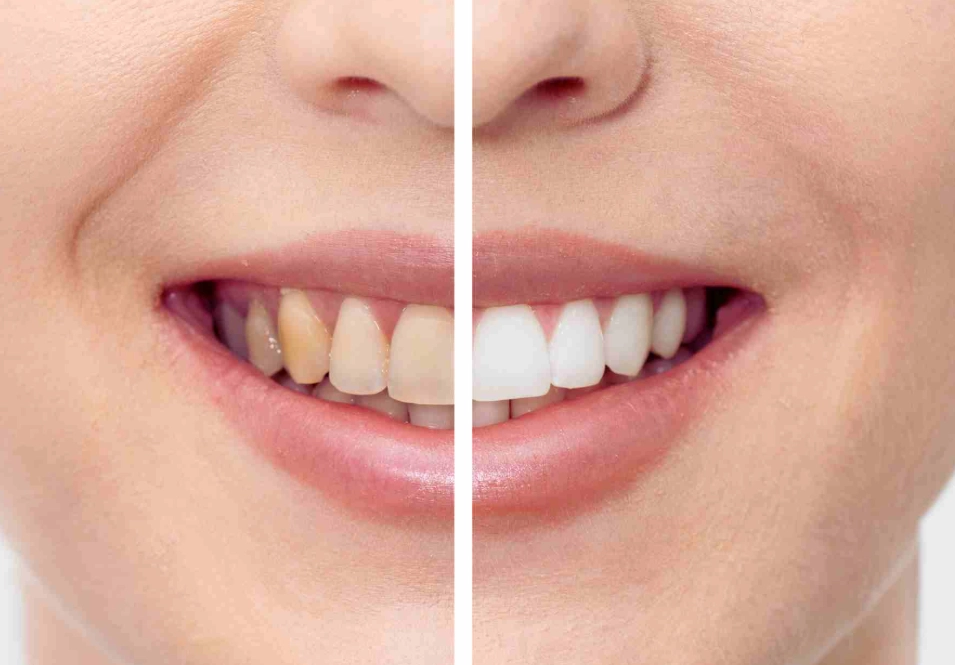
Your teeth aren’t uniform, smooth tiles. Their natural anatomy affects how they reflect light and how they whiten.
- Thin Enamel: Enamel is semi-translucent. Underneath it is dentin, which is naturally yellow. If your enamel is naturally thin or has worn down over time (from acid erosion, brushing too hard), more of that yellow dentin shows through. Whitening can’t thicken enamel; it can only lighten the dentin a bit. The result? Teeth that still appear yellow because the underlying color is so dominant.
- Translucency: The edges of your teeth, especially the biting edges, can be quite translucent. Whitening doesn’t fix translucency—it can sometimes make it more noticeable, as the body of the tooth lightens but the edges remain clear, creating a contrast that some perceive as uneven coloring.
Reason 4: Your Lifestyle Is Undoing the Work Overnight
You do a two-week treatment, see a slight improvement, then celebrate with a latte and a bowl of tomato pasta. It’s a classic two-steps-forward, one-step-back scenario. During and immediately after whitening, your enamel is more porous and susceptible to restaining.
For at least 48 hours after your last strip, you need a “white diet.” That means avoiding:
| Category | Examples | Why They're a Problem |
|---|---|---|
| Dark Liquids | Coffee, black tea, red wine, cola | Chromogens (pigments) bind easily to porous enamel. |
| Acidic Foods/Drinks | Citrus, soda, wine | Acid etches enamel, making it rougher and more stain-prone. |
| Strongly Pigmented Foods | Berries, soy sauce, curry, beets | Direct deposit of color onto the tooth surface. |
| Tobacco | Smoking, chewing | Tar and nicotine create tenacious brown/yellow stains. |
If you can’t avoid them entirely, use a straw for drinks and rinse your mouth with water immediately afterward. Don’t brush right after consuming acids—wait 30 minutes for your enamel to re-harden.
Reason 5: You Picked the Wrong Product for Your Needs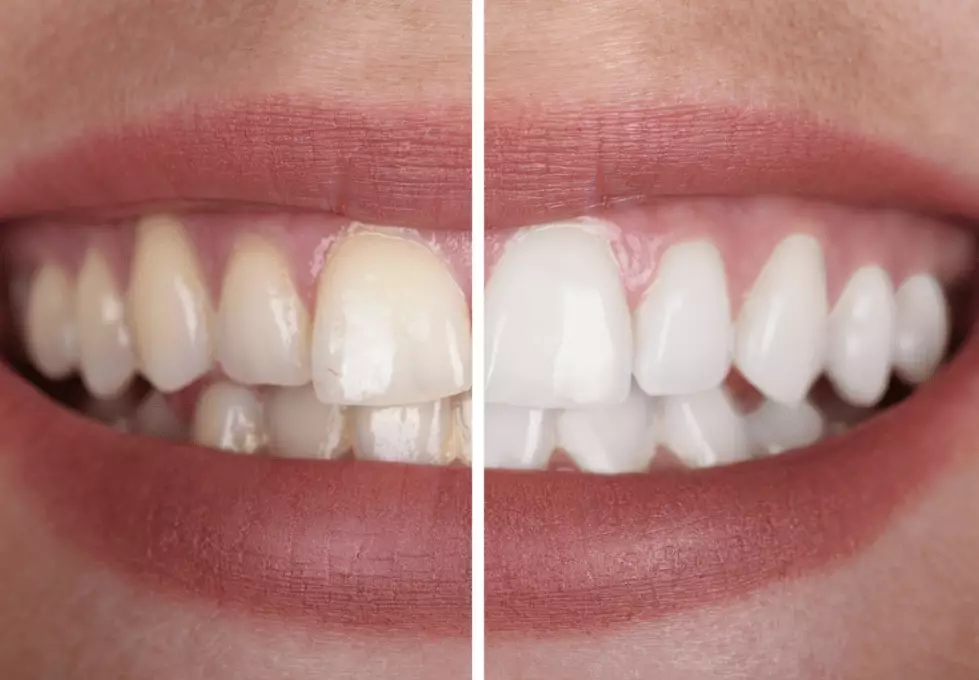
Not all whitening strips are created equal. The main variable is the peroxide concentration (hydrogen peroxide or carbamide peroxide).
- Standard/Low Concentration (3-6% hydrogen peroxide): Common in daily-use or sensitive-teeth strips. Gentler, but may lack the power for moderate to heavy staining.
- Higher Concentration (10-14% hydrogen peroxide): Found in “professional-grade” or “advanced” kits. More effective but carry a higher risk of sensitivity.
If you started with a low-concentration kit for severe staining, you might not see dramatic results. Conversely, if you have sensitive teeth and used a high-concentration strip, you might have cut the treatment short due to discomfort, not giving it a full chance to work.
Reason 6: An Underlying Dental Issue Is the Culprit
Sometimes, the yellow isn’t a stain at all. Whitening strips only work on natural tooth structure. They do nothing on:
- Old Composite Fillings or Bonding: These synthetic materials don’t whiten. If you have a front filling, it will stay its original color while your natural tooth lightens, creating a mismatched, sometimes yellow-looking spot.
- Tartar (Calculus): This hardened plaque is often yellow or brown. Strips can’t penetrate it. You need a professional dental cleaning to remove it first.
- Decay: Early cavities can appear as white or brown spots, but advanced decay can look yellow or dark. Whitening will not fix this and can irritate an already compromised tooth.
This is why the American Dental Association (ADA) recommends a dental check-up before starting any whitening regimen. It’s not just a sales pitch; it’s to rule out problems that whitening can’t solve and might even worsen.
Your Burning Questions, Answered
 Are there any at-home alternatives if strips didn't work?
The bottom line is this: Whitening strips are a good starting point for mild, surface-level staining. If your teeth are still yellow after a full, correctly used kit, it's a signal. It's not that you failed; it's that your teeth are telling you their discoloration is more complex. Listen to that. The solution lies in accurate diagnosis—understanding whether you're dealing with intrinsic or extrinsic factors, enamel thickness, or lifestyle habits. That knowledge is what finally leads you to the right method, whether it's a stronger professional treatment, a change in oral hygiene, or accepting and enhancing your naturally bright, healthy smile.