Your Quick Navigation
Let's be honest. The phrase "reverse tooth decay" sounds too good to be true, doesn't it? For years, we've been told that a cavity is a one-way ticket to the dentist's drill. You get a filling, maybe a crown, and that's it. But what if I told you that the story is a bit more complicated—and a lot more hopeful—than that? The idea of learning how to reverse tooth decay isn't some fringe internet myth. It's grounded in a real biological process your mouth does every day. The catch? It only works under very specific conditions, and it's not a magic eraser for every dark spot you see.
I remember staring at a tiny white spot on my own tooth years ago, convinced it was the beginning of the end. My dentist at the time just said, "Watch it." Not super helpful. So I dove into the research, talked to different professionals, and experimented (carefully) on my own routine. What I found changed how I think about dental health completely. This isn't about avoiding the dentist. It's about understanding the battle happening in your mouth between demineralization (losing minerals) and remineralization (gaining them back). Your goal is to make sure the good guys win more often.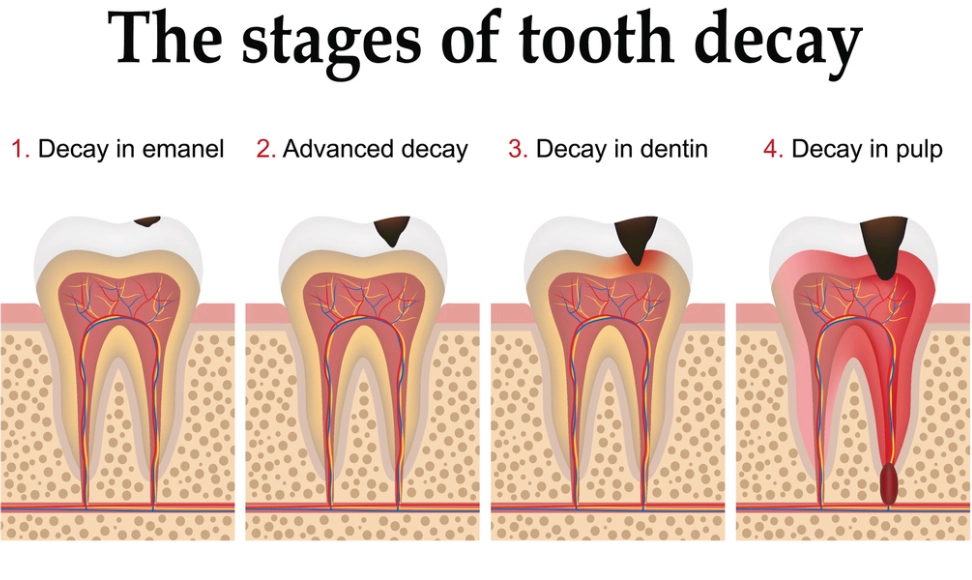
The Science Behind Reversing Decay: It's All About Minerals
To really get how to reverse tooth decay naturally, you need to picture your tooth enamel not as inert rock, but as a dynamic, living surface. It's mostly made of minerals, primarily hydroxyapatite. Every time you eat or drink something containing fermentable carbohydrates (sugar, starch), the bacteria in your plaque throw a party. They produce acid as a waste product.
This acid attack pulls calcium and phosphate minerals out of your enamel. That's demineralization. It leaves the enamel softer and more porous. If you've ever seen a chalky white spot on a tooth, that's a sign of this subsurface mineral loss. This is the critical window.
Here's the hopeful part. Your saliva is nature's repair kit. It's saturated with those same calcium and phosphate minerals, along with fluoride. In between acid attacks, saliva washes over your teeth, neutralizing acids and depositing minerals back into the enamel. This is remineralization. The process of learning how to reverse tooth decay is essentially about tilting this daily balance heavily in favor of remineralization.
The Three Pillars of a Tooth-Remineralization Strategy
If you want to know how to reverse tooth decay effectively, you can't just do one thing. It's a multi-front war. Think of these as the three non-negotiable pillars you need to build.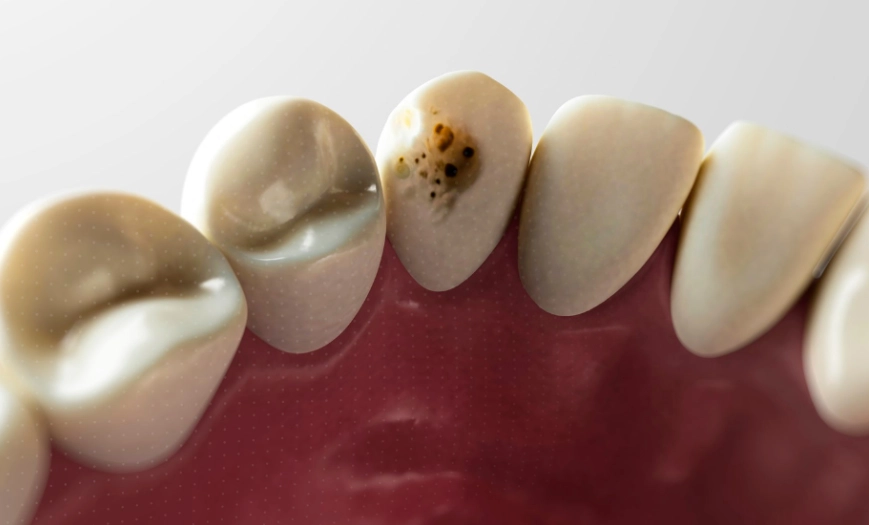
Pillar One: Your Diet (The Fuel)
This is the biggest lever you can pull. You can't out-brush a bad diet. It's not just about avoiding sugar; it's about timing, frequency, and even the texture of what you eat.
The Offenders (Limit These Aggressively):
- Sticky and Slow-Dissolving Sugars: Hard candies, mints, dried fruit (like raisins that cling to grooves), gummies. These create a long-lasting acid bath.
- Frequent Sipping: This is a killer. Sipping soda, juice, coffee with sugar, or even a seemingly healthy smoothie over hours constantly resets the acid attack timer. Your saliva never gets a chance to do its repair work.
- Refined Carbs: Crackers, chips, white bread. They break down into sugar quickly in the mouth.
- Highly Acidic Foods/Drinks: Citrus fruits, sports drinks, diet sodas. The acid itself can erode enamel directly, weakening it for bacterial attack.
The Helpers (Embrace These):
- Dairy: Cheese, milk, plain yogurt. They are rich in calcium and phosphate, and cheese particularly can help neutralize plaque acid. A small cube of cheese after a sugary meal isn't a bad idea.
- Fibrous, Crunchy Vegetables: Celery, carrots, apples (in moderation, as they contain sugar). They stimulate saliva flow, which is your best defense.
- Foods Rich in Fat-Soluble Vitamins: Think Vitamin D (fatty fish, egg yolks) and Vitamin K2 (fermented foods, certain cheeses like gouda, natto). There's growing interest in K2's role in directing calcium to the right places (like bones and teeth) instead of arteries. The research is evolving, but ensuring adequate Vitamin D is a solid, evidence-based move for overall health, including oral health. The National Institute of Dental and Craniofacial Research (NIDCR) notes the importance of nutrition in oral health.
- Water, Water, Water: Especially fluoridated tap water. It hydrates you, washes away food particles, and if fluoridated, provides a constant low-level mineral bath for your teeth.
Pillar Two: Your Oral Hygiene (The Clean-Up Crew)
Brushing and flossing aren't just about removing spinach from your teeth. They're about disrupting the bacterial plaque biofilm where the acid is produced. Do it wrong, and you're just going through the motions.
Fluoride is Your Best Friend: Let's settle this. Fluoride is not a scary chemical in the context of dental care. It's a superhero mineral. When incorporated into enamel during remineralization, it forms fluorapatite, which is significantly more resistant to acid than the original hydroxyapatite. It's like upgrading your enamel's armor.
Here’s a quick comparison of fluoride sources, because not all are created equal.
| Source | Fluoride Concentration | Primary Role | Best Use Timing |
|---|---|---|---|
| Fluoridated Toothpaste (most) | ~1000-1500 ppm F | Daily repair & plaque removal | 2x daily (brush for 2 mins) |
| Prescription-Strength Toothpaste | 5000 ppm F | High-risk patients, active white spots | As directed by dentist (often 1x daily) |
| Fluoride Mouthwash (OTC) | ~225 ppm F | Extra boost, reaches between teeth | At a separate time from brushing (e.g., after lunch) |
| Professional Fluoride Varnish/Gel | Very High (22,600 ppm F) | Clinical-grade remineralization boost | Applied by dentist/hygienist every 3-6 months |
| Fluoridated Tap Water | 0.7 ppm F (optimal) | Constant background exposure | Drink throughout the day |
A critical tip most people get wrong: Don't rinse your mouth with water after brushing! Spit out the excess toothpaste foam, but leave the residual fluoride on your teeth. Let it sit and work. Rinsing it all away is like applying a powerful treatment and immediately washing it off. This one habit change alone can make a measurable difference in your efforts to reverse tooth decay.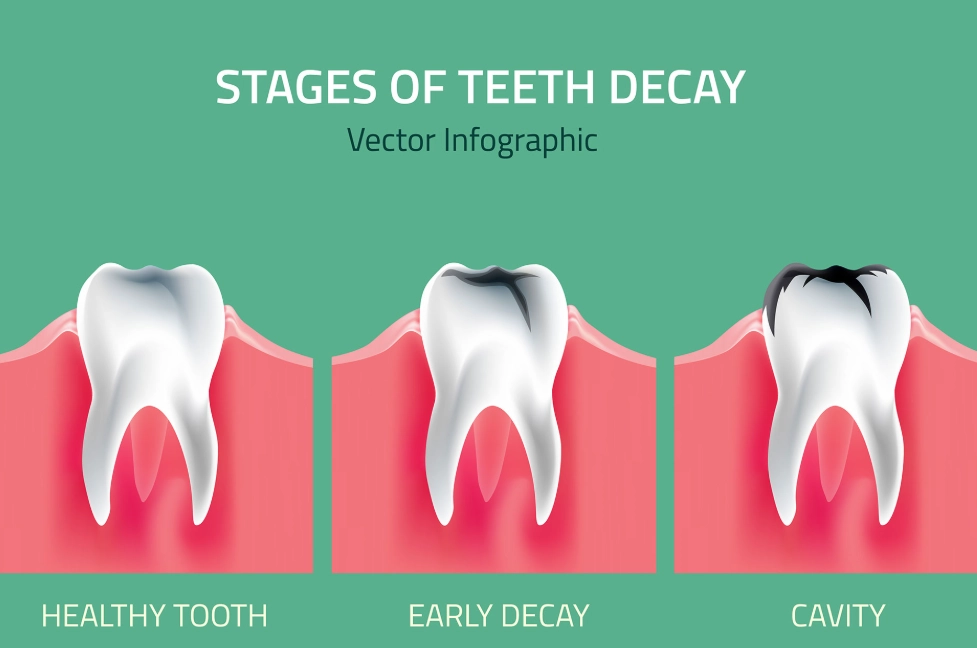
Flossing is Non-Optional: The sides of your teeth where they touch are prime cavity locations. Brushing doesn't reach there. If you don't floss, you're leaving about 40% of each tooth's surface untouched by cleaning. It's not about removing big chunks of food; it's about disrupting the plaque biofilm. Do it at least once a day. A water flosser is a great adjunct, but for biofilm disruption, traditional string floss or interdental brushes are often considered the gold standard by many hygienists.
Pillar Three: Your Saliva (The Unsung Hero)
If your mouth is dry, your risk of decay skyrockets. Saliva is your body's natural mouthwash, acid neutralizer, and mineral delivery system.
Causes of Dry Mouth (Xerostomia): Many medications (antihistamines, decongestants, some antidepressants, blood pressure meds), mouth breathing, certain medical conditions (like Sjögren's syndrome), dehydration, and even stress.
How to Boost Saliva Flow:
- Stay Hydrated: Sip water constantly.
- Chew Sugar-Free Gum: Look for gum sweetened with xylitol. Xylitol is interesting—it's a sugar alcohol that the cavity-causing bacteria (S. mutans) can't metabolize well, so it reduces their acid production. Chewing the gum itself stimulates saliva. Don't overdo it, as it can cause digestive upset for some.
- Use a Humidifier: Especially at night if you're a mouth breather.
- Talk to Your Doctor: If medication is the cause, see if there's an alternative.
- Saliva Substitutes: Over-the-counter sprays or rinses like Biotene can provide temporary relief.
When "Natural" Remedies Fit (And When They Don't)
The internet is full of claims about oil pulling, baking soda, and herbal pastes. Let's be real about them.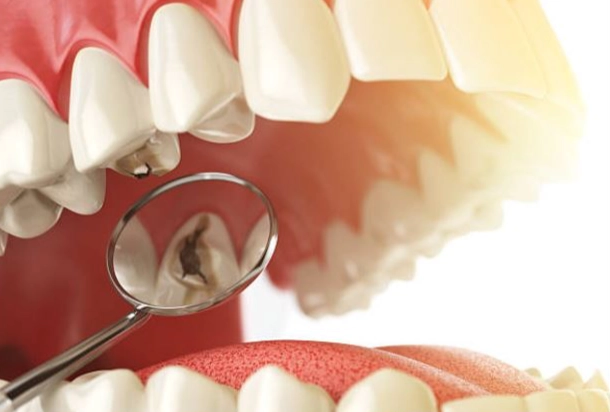
Oil Pulling (swishing coconut or sesame oil): The American Dental Association (ADA) states there is insufficient reliable scientific evidence to support the use of oil pulling for reducing cavities or whitening teeth. My personal take? It might help with general gum health and reducing some bacteria by mechanical swishing, but it does not contain the minerals (fluoride, calcium, phosphate) needed to remineralize teeth. It's not a substitute for fluoride toothpaste. Don't rely on it to reverse a white spot.
Baking Soda: It's a mild abrasive and a great neutralizer of acids. Brushing with a paste of baking soda and water can help neutralize plaque acids after a meal. But again, it lacks fluoride. It could be a useful adjunct, but not the main event.
Hydroxyapatite Toothpaste: This is a newer, fluoride-free player gaining attention. It uses nano-sized particles of the same mineral that makes up your enamel. The idea is that it can directly integrate into demineralized areas. Some studies are promising, showing it can be as effective as fluoride for remineralization in certain contexts. If you are adamantly against fluoride, this is the alternative with the most credible science behind it. But for most people, fluoride's decades of robust evidence make it the first choice.
The Limits: When You Absolutely Need a Dentist
This is the most important section. Being proactive is great, but self-diagnosis is dangerous.
You cannot reverse tooth decay that has progressed to a cavity. A brown or black spot, a hole you can feel with your tongue, or pain (especially to cold, sweet, or pressure) means the structural integrity of the tooth is compromised. Bacteria are inside the tooth structure. No amount of diet change or special toothpaste will rebuild that lost structure from the inside out.
At this stage, the decay must be physically removed by a dentist and the tooth restored with a filling, inlay, or crown. Delaying treatment leads to more pain, more expensive treatment (like a root canal or extraction), and potential infection.
Your partnership with a dentist is key. They can:
- Diagnose a white spot lesion early with tools like transillumination (shining a light through the tooth).
- Apply high-concentration fluoride varnishes or prescribe high-fluoride toothpaste.
- Use products like silver diamine fluoride (SDF) to arrest the progression of a cavity in specific situations (often used for young children or those with high surgical risk). SDF stains the decayed area black, but it stops it dead. It's a trade-off.
- Provide sealants for the deep grooves of back teeth, physically blocking out bacteria—a fantastic preventive measure.
Answering Your Burning Questions
Putting It All Together: A Sample Daily Protocol
Theory is great, but what does this look like in real life? Here’s a sample day for someone actively trying to reverse tooth decay in an early white spot.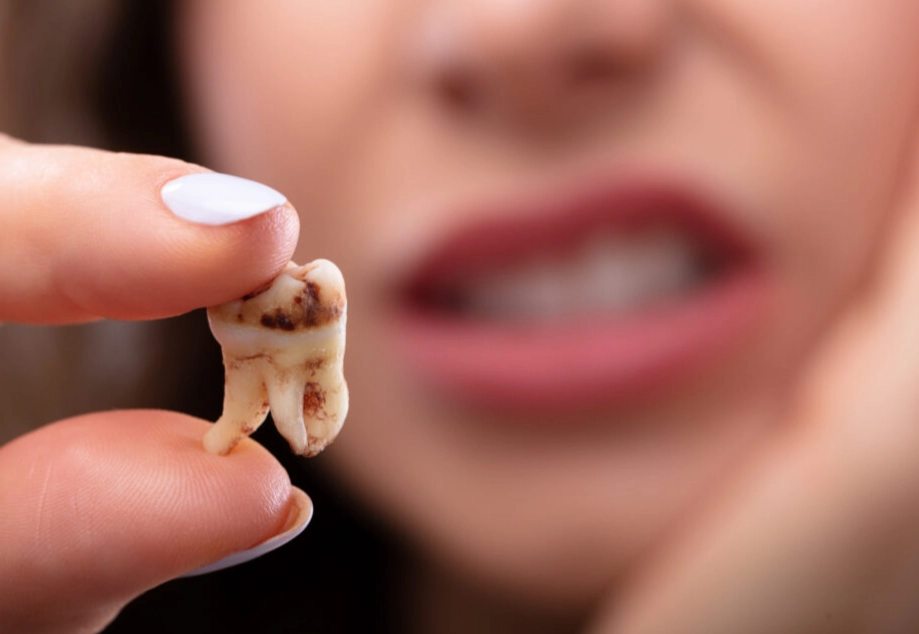
- Morning: Brush with a fluoride toothpaste (1000-1500 ppm). Spit, don't rinse. Eat a breakfast low in added sugar (e.g., eggs, plain yogurt with nuts).
- Mid-Morning: Drink water. If you have coffee, drink it within a reasonable time, don't sip for hours. Consider having it black or with a non-dairy milk that's unsweetened.
- Lunch: Eat a meal with crunchy vegetables. After eating, if you can't brush, chew a piece of xylitol gum or at least rinse well with water.
- Afternoon: More water. Avoid snacking. If you must snack, choose cheese, nuts, or a piece of fruit (eat it, don't juice it).
- Evening/Dinner: Enjoy your meal. Floss thoroughly before you brush. This dislodges debris so the fluoride from brushing can better reach between teeth. Brush again with fluoride toothpaste. Spit, don't rinse. Nothing to eat or drink except water after this.
- Bonus: If you have a high risk or an active white spot, your dentist might have you apply a dab of prescription toothpaste directly to the spot before bed after brushing.
The journey to understanding how to reverse tooth decay is empowering. It takes you from a passive victim of your teeth to an active participant in their health. But hold that empowerment with a dose of realism. Use this knowledge to prevent problems and catch them early. Build that strong partnership with a dental professional you trust. They have the tools to see what you can't and to intervene when the point of no return has been passed. Your smile will thank you for taking this balanced, informed approach.