You stand at the bathroom sink, bottle in hand, and the question hits you: is this daily swish doing more harm than good? The short, frustratingly honest answer is: it depends. Using mouthwash every day can be a fantastic addition to your routine or a slow-burning problem for your mouth's ecology, and the difference lies in the type you use, your specific oral health needs, and a few critical details most people overlook.
Let's be clear. The blanket statement "mouthwash is bad" is just as wrong as "mouthwash is essential." After years of seeing patients' habits, the real issue isn't the act of rinsing daily, but the indiscriminate use of the wrong product. Many grab a cosmetic, alcohol-heavy rinse for fresh breath, unaware they might be trading short-term minty blast for long-term dryness and microbial imbalance.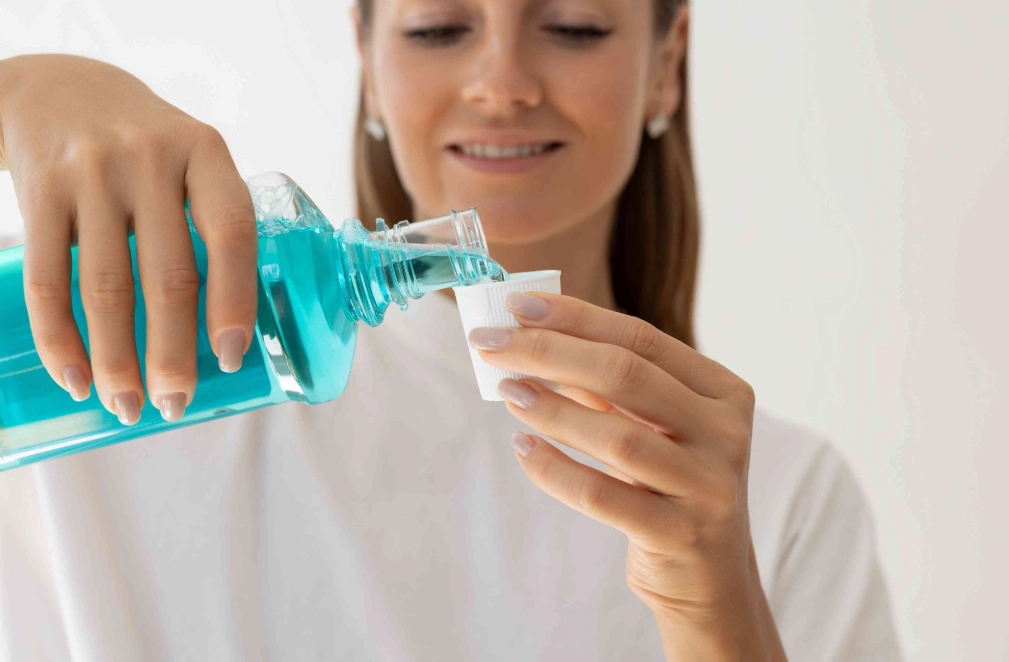
What’s Inside This Guide
Why Daily Mouthwash Use Can Backfire
This is the side of the story often whispered but rarely explained in detail. The problems aren't mythical; they're chemical and biological.
The Alcohol Problem: It's Not Just About Burning
High alcohol content (often 20% or more) is a common feature in many popular cosmetic mouthwashes. That alcohol is a potent antibacterial agent, yes, but it's brutally non-selective. Think of it as napalming your garden to kill weeds. It doesn't just target the "bad" bacteria associated with plaque and gum disease; it scorches everything, including the commensal or "good" bacteria that form the foundation of a healthy oral microbiome.
The immediate consequence is xerostomia – dry mouth. Alcohol is a desiccant. It reduces saliva flow, which is your mouth's natural defense system. Saliva neutralizes acids, remineralizes enamel, and helps wash away food particles. A dry mouth is a more acidic, more cavity-prone, and less comfortable environment. For someone already prone to dry mouth (due to medications, aging, or breathing patterns), a daily alcohol rinse is pouring gasoline on the fire.
The Chlorhexidine Conundrum
Chlorhexidine gluconate is the big gun, often prescribed by dentists for short-term use after surgery or for severe gingivitis. Its effectiveness is undeniable. Its side effects from daily, long-term use are significant and well-documented:
- Tooth Staining: It binds to the pellicle on your teeth, causing a noticeable brownish stain that requires professional polishing to remove.
- Altered Taste: It can temporarily impair your sense of taste, making food seem metallic or bland.
- Tartar Increase: Paradoxically, it can promote more calculus (tartar) buildup on your teeth.
Using a chlorhexidine mouthwash every day without specific dental instruction is like taking a potent antibiotic year-round. You're asking for trouble.
Disrupting Your Oral Microbiome
This is the subtle, long-term risk few consider. Your mouth hosts a complex ecosystem of bacteria, fungi, and viruses. A healthy, diverse microbiome crowds out pathogens, helps regulate inflammation, and supports overall oral health. Daily use of broad-spectrum antimicrobial mouthwashes doesn't just reduce bacterial load; it reduces diversity.
Studies, including some referenced by the National Institutes of Health, have explored potential links between frequent antiseptic mouthwash use and ecological shifts. The concern isn't about creating a sterile mouth (impossible), but about creating an imbalanced one where harmful species can rebound or thrive in the absence of competition.
When Daily Mouthwash Use Actually Helps
Now for the flip side. For many people, a daily therapeutic mouthwash is a crucial part of managing specific conditions. The key word is therapeutic and targeted.
The American Dental Association (ADA) grants its Seal of Acceptance to mouthwashes with proven therapeutic benefits, like those containing fluoride, CPC (cetylpyridinium chloride), or essential oils. These are formulated to address specific issues, not just mask odor.
Who Benefits from a Daily Therapeutic Rinse?
- People at High Risk for Cavities: A daily fluoride rinse (like 0.05% sodium fluoride) is a powerful tool to strengthen enamel and reverse early decay. It's often recommended for adults with a history of frequent cavities or those with dry mouth.
- People with Gingivitis: If your gums bleed when you floss, you have low-grade inflammation. A daily rinse with CPC or essential oils (like eucalyptol, menthol, thymol) can help reduce plaque bacteria and inflammation alongside proper brushing and flossing. It's an adjunct, not a replacement.
- People with Persistent Bad Breath (Halitosis): When bad breath stems from bacterial activity on the tongue and gums, a therapeutic rinse can help manage the underlying cause better than a cosmetic one that just perfumes the air.
- People with Specific Dental Work: Those with braces, bridges, or implants may find a daily antimicrobial rinse helpful for cleaning hard-to-reach areas, but this should be a dentist's recommendation.
Choosing the Right Mouthwash: A Decision Guide
Don't just grab the blue bottle. Make an informed choice based on what your mouth actually needs. This table breaks down the common types.
| Mouthwash Type | Key Ingredients | Best For | Daily Use? | Common Pitfalls |
|---|---|---|---|---|
| Cosmetic (Fresh Breath) | High alcohol, flavoring, sometimes CPC | Temporary breath freshening, no therapeutic claim. | Not recommended. Offers no health benefit and carries alcohol risks. | Masks problems, causes dryness, disrupts microbiome. |
| Fluoride / Anti-Cavity | Sodium Fluoride (0.05% NaF) | Anyone at high risk for cavities, dry mouth sufferers, kids over 6 (if advised). | Yes, often once daily (usually at a different time than brushing). | Swallowing it (especially by kids). Not a substitute for fluoride toothpaste. |
| Anti-Gingivitis / Anti-Plaque | CPC, Essential Oils, sometimes Stannous Fluoride | Bleeding gums, gingivitis, plaque control. | Yes, as part of a treatment plan. Often alcohol-free. | Expecting it to cure gum disease alone. It's an aid, not a cure. |
| Prescription Strength (e.g., Chlorhexidine) | Chlorhexidine Gluconate | Post-surgical care, severe gingivitis per dentist's order. | Only for the short duration prescribed (e.g., 2 weeks). | Using it long-term. Causes staining and taste disturbance. |
| Alcohol-Free "Sensitive" or Natural | Aloe, xylitol, mild surfactants, no alcohol/SLS. | People with canker sores, sensitive tissues, dry mouth, or who dislike alcohol burn. | Potentially, if it meets a need (e.g., dry mouth relief). Check for therapeutic ingredients. | May lack proven active ingredients, so check labels for fluoride or CPC if you need those benefits. |
How to Use Mouthwash Correctly (Most People Get This Wrong)
Even the right mouthwash can be less effective if used improperly.
Timing is everything. Do not rinse with mouthwash immediately after brushing your teeth with fluoride toothpaste. You'll wash away the concentrated fluoride from the toothpaste. Wait at least 30 minutes. Better yet, use your therapeutic rinse at a separate time, like after lunch.
Don't substitute. Mouthwash is the third step in the holy trinity: 1) Brush, 2) Floss/Clean between teeth, 3) Rinse (if indicated). It cannot remove physically stuck plaque or food debris.
Swish properly. A vigorous 30-60 second swish, gargling at the back of the throat, gets the solution around all surfaces. Don't just swoosh it for five seconds and spit.
Don't eat or drink for 30 minutes after. This allows the active ingredients (like fluoride) time to work on your teeth.
Your Mouthwash Questions, Answered
 My dentist never mentioned mouthwash. Do I even need it?
The final verdict on daily mouthwash use isn't a yes or no. It's a checklist. Are you using it to treat a specific, diagnosed issue? Is it the right type (likely alcohol-free and therapeutic)? Are you using it correctly, as an adjunct to mechanical cleaning? If you answer yes, daily use can be a powerful ally. If you're just chasing minty freshness with a cosmetic rinse, you're likely doing more harm than good. Your mouth isn't just a set of teeth; it's an ecosystem. Treat it with that level of nuance.